Home › Services
Land clearing in Spartanburg SC for home sites, pasture and overgrown acreage
A wooded lot in Spartanburg County rarely arrives as a blank slate. There is usually a mix of loblolly pine, sweetgum, a few good oaks worth saving, a tangle of privet underneath and, on the old farm ground, a curtain of kudzu swallowing the edges. Clearing that land well is less about knocking everything flat and more about deciding what stays, where the soil will move, and what happens to every stump and stick once it is cut. This page walks through how clearing works across the Upstate: the methods, the order of operations, the rules on erosion and burning, and what belongs in a written proposal. When you are ready, send the parcel details and a few photos and a contractor working the region can walk it with you.
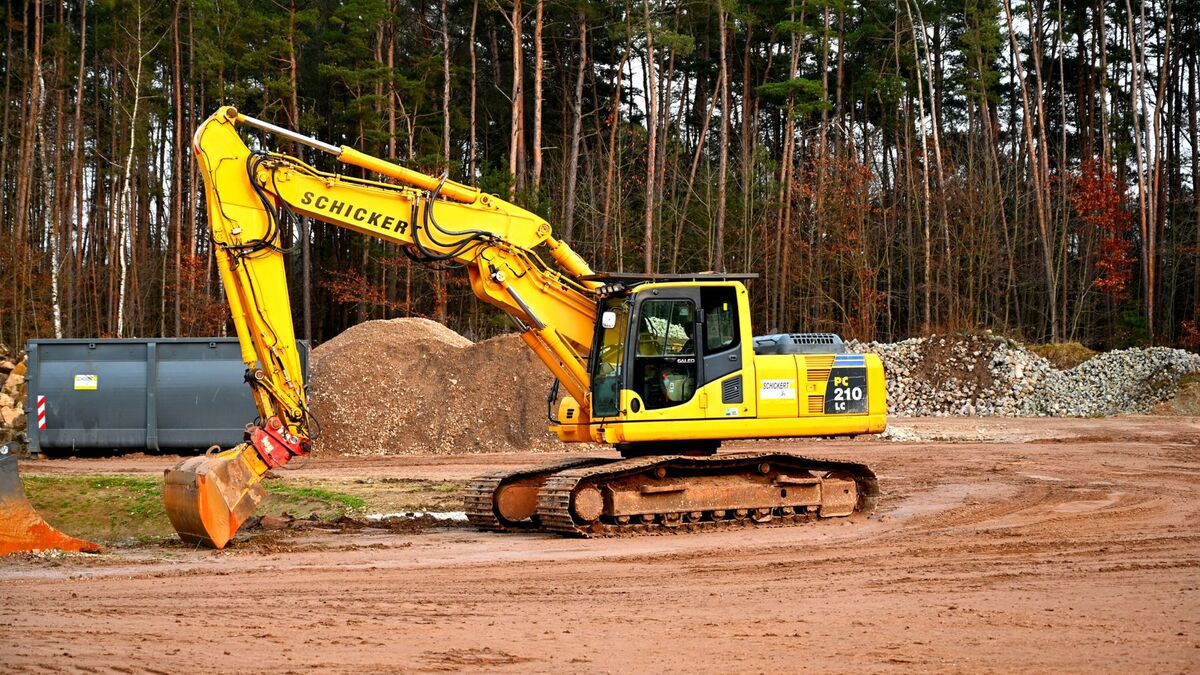
Selective clearing or a full clear-cut: decide before a machine shows up
The first question on any clearing job is how much of the land should actually be opened. A clear-cut removes everything in the work zone: trees, brush, stumps and roots, down to bare red clay. Selective clearing is surgical by comparison. The operator takes the understory, the dead and crowded stems and the species you do not want, and leaves a canopy of healthy hardwoods or a screen of pines along the property line.
Most residential lots land somewhere in between. The footprint for the house, the drive and the utility corridor gets fully cleared, while the back third of the parcel is thinned so you can see through it and walk it. Mark what you want kept with flagging tape before anyone quotes, because a clear plan for what stays changes the equipment, the hours and the price far more than the acreage alone.
Forestry mulching versus cut, pile and haul
Forestry mulching uses a tracked carrier or skid steer with a spinning drum of carbide teeth on the front. It chews standing brush and small to mid-sized trees into a layer of chips right where they stood. There is no burn pile and no truckload of debris leaving the property. The mulch layer holds the clay in place, shades out weed seed for a while and breaks down over a few seasons.
Mulching has limits. Large trunks take a long time to grind and are often felled conventionally first. The stumps stay in the ground, ground down near the surface but with their roots intact. That is fine for a pasture or a view corridor and a real problem under a slab, a driveway base or a buried drain line.
Conventional clearing cuts the trees, pulls the stumps with an excavator, piles the material and then either hauls it, grinds it in a tub grinder or burns it where rules allow. It costs more in machine time and trucking, but it leaves soil you can grade and compact.
Grubbing: getting stumps and roots out of the ground
Grubbing is the step that turns a cleared lot into a buildable one. An excavator digs around each stump, breaks the main roots and levers the root ball out. The holes get backfilled and tracked down so the pad does not settle later.
Skip grubbing under any structure, drive or parking area. Buried wood rots, the ground above it sinks, and the crack shows up in a footing or a slab a few years after everyone has gone home. For a stump or two left in a finished yard, grinding is usually the better tool, and the stump grinding page covers that separately.
Kudzu, privet and the brush that comes back
Old Upstate farmland that sat idle for a decade or two tends to fill with the same cast of invaders. Chinese privet forms dense thickets in creek bottoms and along fences. Kudzu climbs over everything on the sunny edges and pulls down small trees with its weight.
Cutting or mulching these plants knocks them back, but the root systems survive. Kudzu grows from large crowns just under the surface, and privet resprouts hard from cut stumps. A realistic plan treats clearing as the first visit, not the last.
- Mulch or cut the top growth to expose the ground and the crowns.
- Grub or dig out kudzu crowns where the area will become lawn or a building site.
- Expect resprouts the first growing season and plan follow-up treatment or mowing.
- Establish grass or a planted cover quickly so open ground does not simply refill.
Building pads and driveway corridors on Piedmont clay
When the clearing is for a house, the builder or engineer usually sets the limits: the pad footprint plus working room around it, the driveway route, and the paths for water, power and sewer or a drain field. A clearing contractor working from a staked site plan avoids the most expensive mistake on raw land, which is removing trees that were supposed to stay or leaving roots where the foundation will go.
Red clay complicates things. It drains slowly, turns slick after a summer thunderstorm and ruts badly under tracked machines when wet. A contractor will often stage work so machines stay off soft ground, and may push topsoil aside in a stockpile to spread back later. On a sloped lot the drive corridor is cut to follow contours where possible, because a straight shot down a hill becomes a gully in the first heavy rain.
Erosion and sediment control: why bare clay is a liability
Once vegetation comes off, exposed Piedmont soil starts moving with the very next storm. Sediment that washes off a lot can foul a neighbor's yard, a road ditch, a creek feeding the Pacolet River or Lake Bowen, and that tends to draw attention from the county.
South Carolina and Spartanburg County both have stormwater rules that kick in once a project disturbs enough land, and a building permit on a new home carries its own requirements. The exact thresholds and paperwork depend on the parcel, its location in the communities around Spartanburg, the total disturbed area and whether it is part of a larger subdivision plan. Do not guess. Check with the county stormwater office or your builder before clearing starts, and ask the contractor how they typically handle silt fence, construction entrances and stabilization.
Burning, hauling or leaving it on site
Every load of brush and every root ball has to go somewhere, and disposal is one of the biggest swings in a clearing quote.
Burning is allowed in some rural parts of the county and restricted or prohibited in others, especially inside town limits and near homes. The state forestry agency and the local fire authority set the conditions, and some burns require notice before the match is struck. A contractor who burns should know the current rules for your exact address and keep the fire attended until it is fully out.
Hauling means trucks, dump fees and time on the road, but leaves a clean site. Grinding piles into mulch on site cuts the trucking and gives you material for trails and beds. Decide what you want before the quote so the price matches the plan.
Protecting the trees you decide to keep
Keeping a mature oak or tulip poplar near a new house sounds simple and often fails quietly. Roots spread well beyond the drip line and live mostly in the top layer of soil. Heavy machines compacting that soil, a few inches of fill dumped over the roots, or a trench cut for a water line can kill a big tree slowly, with decline showing two or three summers later.
If a tree is worth saving, give it real room.
- Flag the keepers clearly and walk them with the operator before work begins.
- Fence a root protection zone, ideally out to the edge of the canopy or beyond, and keep machines, parked trucks and material piles out of it.
- Route utilities around the zone rather than through it, or ask about boring under roots instead of trenching.
- Avoid changing the grade around the trunk; even modest fill can starve roots of air.
- Plan pruning of damaged limbs after clearing through a proper tree trimming visit rather than having a machine knock them off.
Does the timber on my land have value?
On larger tracts with merchantable pine or quality hardwood, the timber may be worth something to a logger or mill. Value depends on species, the diameter and straightness of the trunks, the total volume, how easily trucks can reach it and what markets are paying at the time.
If you suspect the wood has value, talk to a consulting forester before signing a clearing contract. Sometimes the best sequence is a timber harvest first, followed by a clearing contractor to deal with the tops, the stumps and the understory. A clearing quote should state who owns the logs and whether any value is credited back to you.
What drives the cost of a clearing job
No two parcels price the same, and a fair proposal comes after someone walks the property. The big variables:
- Density and size of the vegetation: light brush mulches quickly; a lot full of large pines and hardwoods takes heavy equipment and many more hours.
- Method: forestry mulching versus cut, grub and haul.
- Stump treatment: left at grade, ground, or fully grubbed and backfilled.
- Slope, wet ground and rock: steep Upstate hillsides and soft creek bottoms slow machines and limit which ones can work.
- Access: gate widths, a narrow road frontage or a soft entrance may require extra stone or smaller equipment.
- Disposal: burning, on-site grinding or trucking off.
- Trees near houses, fences or lines that need careful tree removal rather than machine felling.
What a solid land clearing proposal should spell out
A clear written scope protects both sides and makes competing bids easy to compare. Look for each of these before you sign:
- A map or marked boundary showing the exact area to be cleared and the trees or zones to be kept.
- The method for each part of the site, whether mulching, cutting or grubbing.
- How stumps and roots will be handled and whether holes will be backfilled and compacted.
- What happens to the debris and who owns any logs or firewood.
- Erosion control the contractor will install and maintain, and who is responsible for permits.
- Confirmation that SC811 will be contacted to locate buried utilities before any digging.
- The finished condition: rough cleared, grubbed and graded, or seeded and strawed.
- Workmanship coverage terms for things like settlement of backfilled stump holes.
Land clearing in Spartanburg SC for home sites — common questions
How long does it take to clear an acre of wooded land?
It depends on what is growing there and how it will be cleared. An acre of light brush and small saplings might be mulched in part of a day by an experienced operator. An acre of mature pine and hardwood that needs felling, grubbing and hauling can take several days, longer if rain turns the clay to grease. A contractor can give you a realistic window after walking the parcel.
Do I need a permit to clear land in Spartanburg County?
Sometimes. Clearing tied to new construction usually falls under the building permit and its stormwater requirements, and larger areas of disturbed soil can trigger state and county land disturbance rules on their own. Some towns and homeowners associations also regulate tree removal on residential lots. The answer depends on your parcel, the size of the disturbed area and whether it sits inside a municipality or subdivision. Check with the county or your town before work starts, and ask the contractor what they normally see on similar jobs.
Is forestry mulching good for the soil?
On the whole it is a gentle way to clear. The chipped layer shields bare clay from heavy rain, slows runoff and adds organic matter as it decays. The tradeoff is that a thick mat of fresh wood chips can temporarily tie up nitrogen at the surface, so new grass seeded straight into deep mulch may struggle. Raking thinner areas for seed, or adding a little fertilizer, helps the cover take hold.
What is the best time of year to clear land in the Upstate?
Late fall through winter is popular because the leaves are off, visibility is better, snakes and stinging insects are quiet and the underbrush is easier to see through. The catch is that winter rain keeps red clay soft, so machines may have to wait for the ground to firm up. Late summer dry spells offer firm footing but bring burn bans and heat.
Can I keep some trees when I clear a lot for a new house?
Yes, and many owners do. The key is choosing healthy, well-placed trees with enough distance from the house footprint, the drive and the utility routes that their root zones can stay undisturbed. A tree left standing in the middle of compacted, regraded soil often declines and becomes a removal job later. Walk the lot with the clearing operator and the builder together, mark keepers with paint or tape, and fence their root areas before the first machine arrives.
How do I get rid of kudzu permanently after clearing?
Getting kudzu fully out of a property is a multi-season effort. Cutting and mulching remove the vines, but the plant regrows from root crowns near the surface. Digging or grubbing those crowns, repeated mowing, and targeted herbicide applications over a couple of growing seasons are the usual tools, often in combination. Once the area is clean, get it planted in grass or a managed cover quickly.
What should I do with the stumps after mulching a property?
Forestry mulching leaves stumps at or slightly below the ground surface with their roots intact. For pasture, wooded trails or a view opening, that is usually fine; the stumps rot slowly in place and mowers can run over them once they are low enough. Any spot that will hold a building, drive, patio or garden needs those stumps grubbed out or ground deeper. Tell the contractor which areas are which so the quote includes the right treatment for each zone.
Talk through your site
Start with the address, what you want done, and a few photographs of the area, including anywhere water sits after a heavy rain.
Related work
Tree Removal
Dead, leaning, storm-damaged and unwanted trees taken down safely, including tight spots near houses and lines.
Tree Trimming
Pruning for clearance, structure and storm resistance, done to good arboricultural practice instead of topping.
Stump Grinding
Grinding stumps and surface roots below grade, cleanup of the grindings and what to plant afterward.
Emergency Tree Service
Trees on houses, cars and driveways after storms and ice, made safe first and cleared after.
Across the metro
Boiling Springs
Fast-growing north-side subdivisions with young pines, hardwood lots and new construction clearing.
Inman
Rolling country and orchard land toward the foothills with big hardwoods and long property lines.
Duncan
West-side growth along I-85 with new neighborhoods, field-edge trees and lot clearing.
Roebuck
South-side rural and suburban lots with mature oaks, pines and storm-prone tree lines.